

Sustainability

Shaping Sustainable Spaces
We have a strong track record of action on environmental, social and governance issues. This is the right thing to do and makes business sense.
Our 2030 Commitments
2030 Sustainability Strategy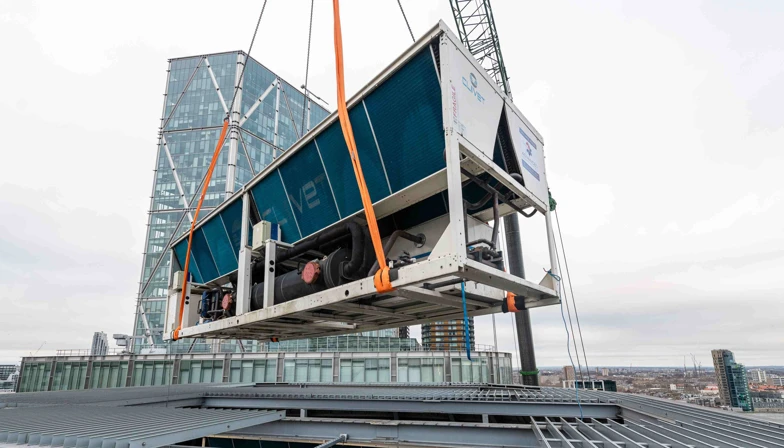
reduction in operational carbon intensity across our managed portfolio, versus 2019
reduction in upfront embodied carbon intensity across our office developments, versus 2019 industry benchmarks

people benefitting from impactful education and employment partnerships

direct social and economic value generated through our social impact activity and spend with SMEs

of people working regularly on our behalf at our places paid at least the real Living Wage

women on the Board and in senior management
Progress you can measure
As we continue to make good progress on our 2030 Sustainability Strategy, this is delivering for our customers, investors and local communities. Explore our latest Sustainability Reporting and find out where we are making a difference.
As we continue to make good progress on our 2030 Sustainability Strategy, this is delivering for our customers, investors and local communities. Explore our latest Sustainability Reporting and find out where we are making a difference.
SUSTAINABILITY
Our three priority areas
- GREENER SPACES
We’re decarbonising our portfolio and enhancing climate resilience to create places where people, businesses and nature flourish.
Explore our strategy - THRIVING PLACES
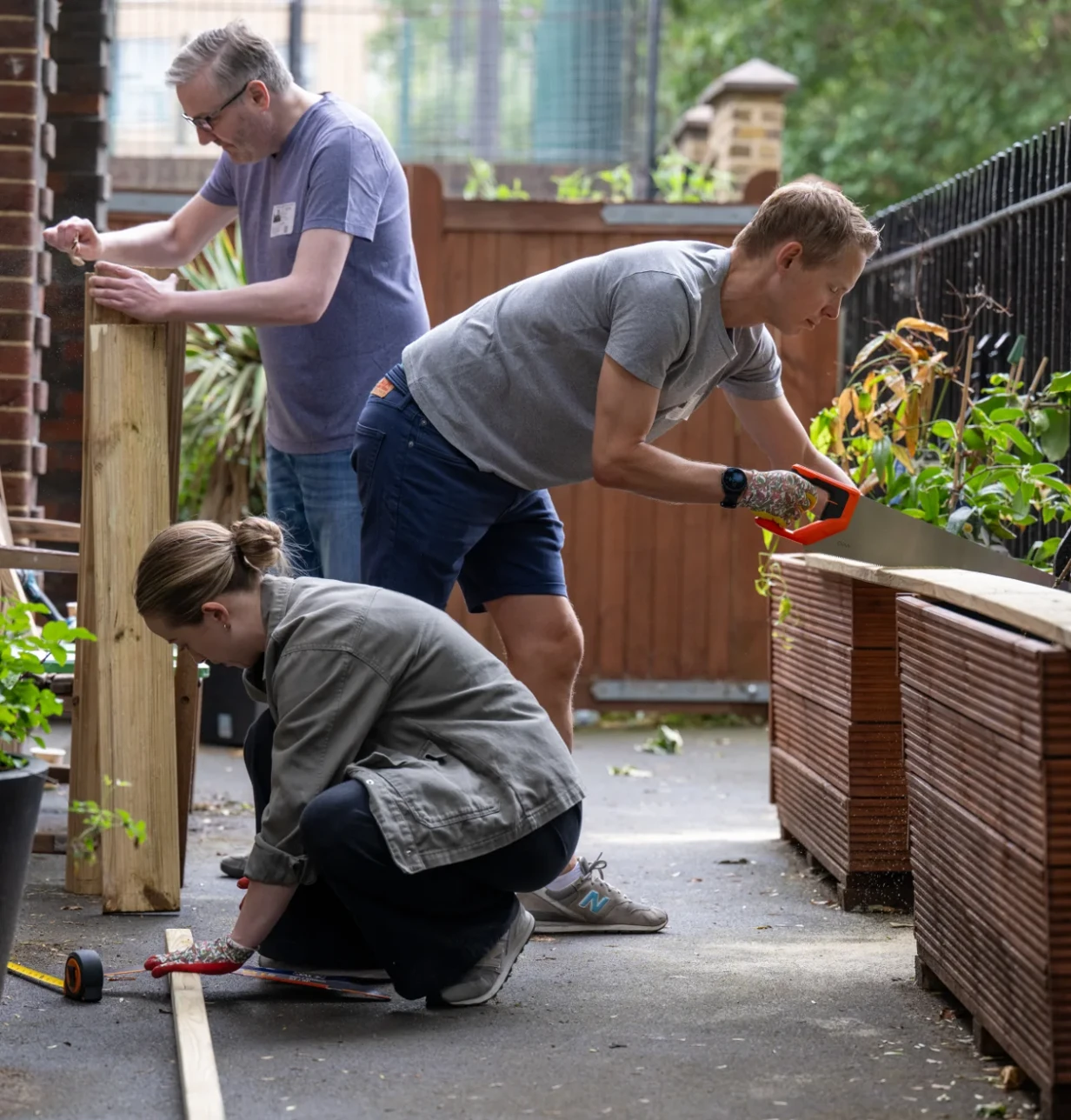
Our places succeed when the communities living in and around them thrive. We’re creating a long-lasting, positive social impact through the use of our spaces and employment and education programmes.
Explore our strategy - RESPONSIBLE CHOICES
We're committed to making responsible choices across all areas of our business and we encourage our customers, partners and suppliers to do the same.
Explore our strategy

Strategy
Sustainability Leadership Sustainability Leadership
We demonstrate sustainability leadership through sustained high performance in international benchmarks and by driving sector-wide change through external commitments, industry collaboration and sharing best practice.
Find out more
We demonstrate sustainability leadership through sustained high performance in international benchmarks and by driving sector-wide change through external commitments, industry collaboration and sharing best practice.
Find out more
British Land announces new decarbonisation targets

Are you recruiting the best talent – or just the most connected?
Why does social value matter in commercial decision-making?

Why does social value matter in fit out?

More Than A Shopping Park – Nature At Teesside
Pathway to net zero
Yes. British Land’s science-based decarbonisation targets have been validated by the Science Based Targets initiative (SBTi) as being aligned with a 1.5°C pathway. Measured against an FY24 baseline, these targets commit us to reducing operational carbon intensity by 78% by 2035 and 97% by 2040, and reducing absolute corporate emissions (including upfront embodied carbon from developments, refurbishments and the supply chain emissions) by 46% by 2035 and 90% by 2050.
Validated by the SBTi in 2026, these long term targets replace our earlier 2030 SBTi-validated targets, against which we made strong progress, as detailed in our FY26 sustainability reporting. We will begin reporting progress against our new long-term science-based targets from FY27.
Yes. British Land is firmly on track to meet its 2030 operational and embodied carbon targets.
Operational carbon intensity across our managed portfolio has reduced by 47% versus our indexed FY19 baseline, reaching 36kg CO2e per sqm in FY26. This puts us on track to achieve our 2030 target of a 75% reduction. Progress has been driven by our energy efficiency programme, asset-level decarbonisation pathways and carbon-intelligent decision-making, encompassing daily energy optimisation by property teams, well-timed retrofit projects agreed with customers and strategically planned major refurbishments.
Upfront embodied carbon intensity across our office developments has reduced by 41% against 2019 industry benchmarks, reaching 587kg CO2e per sqm in FY26, on track for our 2030 target of a 50% reduction. Across our retail and residential developments, upfront embodied carbon intensity fell to 729kg CO2e per sqm in FY26, exceeding our 2030 target of 750kg CO2e per sqm. This progress is underpinned by our circular economy approach, which prioritises material retention, reuse and resource efficiency. We deploy pre-deconstruction audits and material passports to maximise opportunities for material reuse.
British Land’s total carbon footprint across scope 1, 2 and 3 emissions is 218,754 tonnes CO2e. This includes emissions from customer energy use in our buildings, embodied carbon associated with developments and refurbishments, landlord-controlled energy use, refrigerants and activities across our wider value chain.
Scope 3 emissions account for more than 88% of our total footprint, highlighting the significant influence of our customers, suppliers and partners on our overall carbon impact. This is why collaboration across our value chain is central to delivering our decarbonisation strategy.
For full carbon emissions data, see Figure 4 in our 2026 Sustainability Datasheets
Yes. British Land’s portfolio performs strongly against its decarbonisation goals and has low misalignment risk. As at FY26, 87% of our managed portfolio (by ERV) is covered by asset-level decarbonisation pathways aligned with Carbon Risk Real Estate Monitor (CRREM) net zero trajectories and the proposed Minimum Energy Efficiency Standard (MEES) requirement for all non-domestic buildings to be rated EPC A or B by 2030.
Implementation is already delivering measurable results, with 75% of our portfolio (by ERV) rated EPC A or B in FY26, up from 68% in FY25. The total estimated cost to deliver our decarbonisation pathways is £100m, with £34m invested since 2019, much of which is recoverable through the service charge as part of standard life cycle replacement.1 A practical example is 2 Kingdom Street, Paddington Central, where targeted upgrades – including air source heat pumps, LED lighting and CO₂ controls – have transitioned the building to all-electric operation, improved energy efficiency by 37% and aligned the asset with CRREM net zero pathways through to 2047.
Find out about our decarbonisation journey in our latest Sustainability Progress Report
1. Comprises capital expenditure, service charge and occupier spend, including commitments from the Transition Vehicle.
British Land has invested £34m in decarbonisation since 2019,1 reducing whole building energy intensity by 24%, delivering an estimated £19.4m in energy cost savings2 and transitioning 55% of managed offices (by ERV) to almost fully electric. The total estimated cost to implement our decarbonisation pathways and achieve our EPC target is £100m, much of which is recoverable through the service charge as part of standard life cycle replacement.
We invest in decarbonisation because the benefits are clear. On the leasing side, sustainability remains important for the occupiers we want to attract. Sustainability performance, particularly in relation to energy efficiency, wellbeing and decarbonisation, is a key requirement in the evaluation process. Sustainability is also important to our joint venture partners, and we recognise our broader responsibility to support climate goals.
Find out about our decarbonisation journey in our latest Sustainability Progress Report
1. Comprises capital expenditure, service charge and occupier spend, including commitments from the Transition Vehicle.
2. Cost savings based on average FY26 electricity and gas rates of 28p/kWh and 8p/kWh respectively.
British Land’s Transition Vehicle — an internal carbon levy mechanism — incentivises carbon reductions across developments and enables decarbonisation of standing assets. It is funded through an internal carbon levy of £90 per tonne of embodied carbon on developments, supplemented by a discretionary £5m annual float.
Of the £42.5m of Transition Vehicle funding accumulated since April 2020 (British Land share), £22.3m has been committed to decarbonisation interventions across our standing assets and £3.4m to carbon credits across our developments, leaving a balance of £16.8m for future planned commitments.
View our latest Transition Vehicle data in our Sustainability Progress Report
Since 2020, British Land has used certified carbon credits to offset residual embodied emissions from developments once all reasonably practical and economically viable decarbonisation steps have been taken. Our Carbon Offset Policy sets out rigorous requirements to ensure the quality and credibility of these credits. We only purchase credits verified and issued under carbon project standards approved by the International Carbon Reduction and Offset Alliance (ICROA). Our approach incorporates the six fundamental principles defined in the ICROA Code of Best Practice, supplemented by four British Land criteria and clear priorities. We transparently disclose the credits we purchase as part of our annual corporate reporting.
In line with evolving net zero best practice and our long term science-based targets, we will review our offsetting approach in 2027 to assess whether alternative approaches – such as accelerating low carbon material trials or unlocking further retrofit opportunities – could deliver greater impact.
View our latest carbon credit disclosures in our Sustainability Progress Report
Climate resilience and nature
Portfolio-wide modelling identifies flooding as British Land’s most material physical climate-related risk. 100% of managed assets and major developments are covered by flood risk assessments (by British Land share of ownership of total insured value). Of the assets identified as high risk (3% in FY26), 100% have comprehensive management plans in place. Resilience measures include maintaining drainage systems, planning for extreme weather events and retrofitting assets at appropriate life cycle points to withstand projected changes in rainfall and temperature.
More broadly, climate-related risks and opportunities are embedded within our corporate strategy and risk management processes, and we plan and design for future weather patterns and climate conditions. Our Sustainability Brief for our Places prioritises adaptive thermal comfort, natural ventilation, nature-based solutions and sustainable drainage systems.
Climate‑related considerations are embedded within British Land’s investment and development decision-making process and are reviewed by the Investment Committee, chaired by the Head of Real Estate and Investment. The Risk Committee oversees management’s approach to identifying, assessing and managing material climate-related risks, escalating significant and emerging risks to the Audit Committee to support effective Board oversight. The Chief Financial Officer is the Board Director with responsibility for climate-related matters and chairs the Risk Committee. The Chief Operating Officer leads delivery of the Sustainability Strategy and chairs the Sustainability Committee. Sustainability performance is linked to remuneration targets for Executive Directors. A high-level assessment of British Land’s Sustainability Strategy against the Transition Planning Taskforce framework found it to be mature across ambition, action, and accountability, with strengths including SBTi-validated decarbonisation targets and transparent, independently assured disclosures.
Read our latest Taskforce on Climate-related Financial Disclosures: www.britishland.com/TCFD
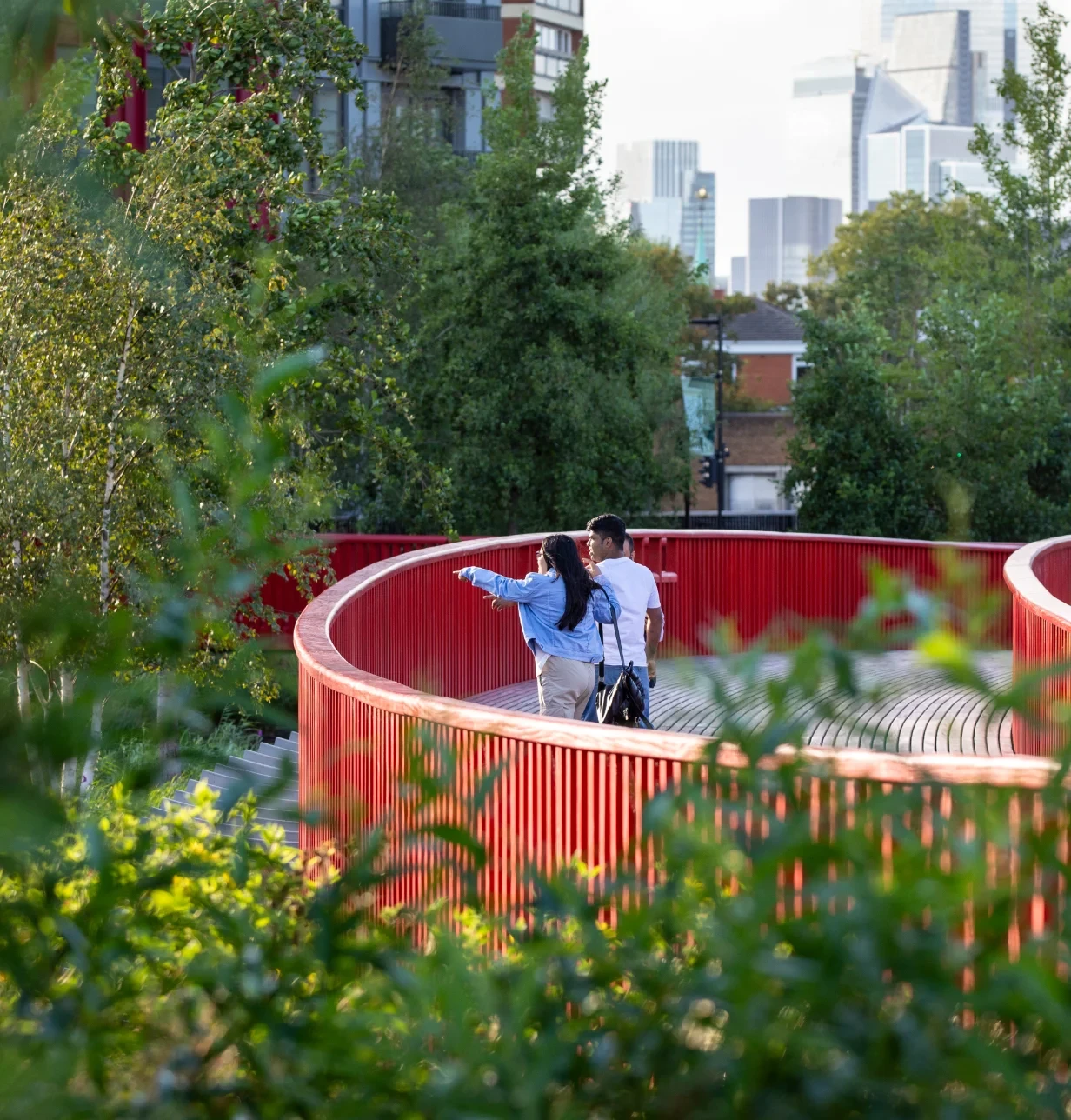
British Land’s Nature Strategy commits all developments to achieving at least 15% biodiversity net gain and all managed assets to implementing Nature Action and Management Plans. Recent initiatives at our properties include the revitalisation of wetlands at Canada Water in partnership with London Wildlife Trust and the creation of a dedicated nature area at Teesside Park with Tees Valley Wildlife Trust. These and earlier initiatives continue to deliver lasting benefits for nature, customers and local communities across our portfolio, including improvements to public spaces at our Broadgate, Paddington Central and Regent’s Place campuses in central London.
Find out more about how we are prioritising nature: www.britishland.com/nature
Energy, EPCs and renewables
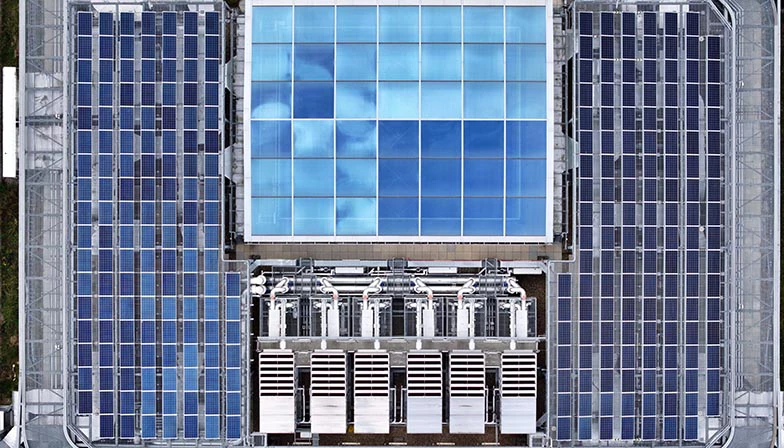
Since 2019, British Land has invested £34m in energy efficiency improvements.1. This has reduced whole building operational energy intensity by 24% and saved us and our customers an estimated £19.4m in energy costs.2.
As of FY26, 86% of our portfolio (by ERV) is equipped with smart energy metering and management systems, giving our property teams insights to improve energy efficiency for customers. Practical measures include optimising building controls, introducing demand-based heating and cooling enabled by CO₂ sensors, upgrading LED lighting and retrofitting air source heat pumps. Our smart building platform, MyBuilding, now deployed across 14 buildings, also gives customers enhanced insights to improve their own energy performance, while new leases include mutually beneficial clauses to share energy data and improve efficiency.
We also use NABERS UK Design for Performance across our office developments to accurately predict operational energy performance and ensure buildings align with design intent in operation. Three developments have achieved NABERS UK target ratings, including the UK’s first 5-star target rating at 1 Broadgate, with four more undertaking Independent Design Reviews.
1. Comprises capital expenditure, service charge and occupier spend, including commitments from the Transition Vehicle.
2 Cost savings based on average FY26 electricity and gas rates of 28p/kWh and 8p/kWh respectively.
Yes. Three-quarters of British Land’s portfolio (75% by ERV) is already rated EPC A or B, up from 68% in FY25 and 58% in FY24, positioning it strongly against the proposed Minimum Energy Efficiency Standard (MEES) requirement for all non-domestic buildings to be rated EPC A or B by 2030. As at FY26, 87% of our managed portfolio (by ERV) is covered by asset-level decarbonisation pathways aligned with both MEES and Carbon Risk Real Estate Monitor (CRREM) net zero trajectories. The total investment needed to achieve the 2030 MEES requirement is included within our £100m decarbonisation programme, much of which is recoverable through the service charge as part of standard life cycle replacement.
Yes. British Land is a signatory to RE100, committed to using 100% renewable electricity. In FY26, 93% of the electricity and gas we procured came from certified renewable sources. We continue to pilot hourly matching consumption with production profiles, typically achieving over 75% matching annually.
As part of our wider renewable strategy, we also generated 1,273 MWh of renewable electricity at 11 assets and continued to actively support occupiers to install solar arrays, with multiple projects in the pipeline across our portfolio.
Yes. British Land has exchanged or completed agreements for ultra-rapid electric vehicle (EV) charging at 21 retail assets, with a further 27 sites in the pipeline. When complete, this will cover 73% of our retail portfolio. This programme is being delivered with no forecast capital outlay from British Land, while creating opportunities for additional income and potential valuation uplift. For example, at Reading Gate, we are partnering with InstaVolt to open an ultra-rapid charging hub supported by an on-site battery, helping to improve grid resilience and enable smarter, lower-carbon charging.
Social impact
Social impact is not philanthropy for British Land; it is part of how we manage risk, build trust and improve long term performance. Our places succeed when the communities living in and around them thrive. We have a strong track record of creating a long-lasting, positive social impact through the use of our spaces and employment and education programmes. This creates clear commercial value, differentiating our places, supporting faster planning outcomes, enabling successful developments and fostering meaningful engagement with our customers, communities and colleagues.
British Land surveys show a direct link between social impact and business performance: customers who rate our social contribution highly are more likely to recommend British Land, and visitors who rate our social contribution highly stay longer at our places and spend more in shops and restaurants. Social impact also helps strengthen the resilience and diversity of local economies and social cohesion, and is fundamental to our licence to operate.
Find out more about how we embed social value in decision-making: www.britishland.com/embedding-social-value
Through our £25m Social Impact Fund to 2030, we support programmes that create a long-lasting, positive social impact in and around our places. Funding decisions are guided by our Local Charter priorities of education, employment and affordable space, with a particular focus on addressing social and economic disadvantage, supporting employee volunteering and building long term partnerships. Funding proposals are reviewed by our Social Impact Committee, which includes representatives from across the business and is informed by input from local teams.
We review programme outcomes annually to help shape future investment decisions. All programmes must deliver strong, measurable outcomes across our priorities. To ensure we focus on meaningful outcomes, we only count affordable space sustained for at least three months and people who receive life-enhancing employment support or achieve defined educational outcomes. Many more people also benefit through activities such as pop-ups, job fairs, school events and site visits. We measure and report our social investment in line with the B4SI international standard.
Discover more in our Local Charter and Social Impact Funding Guidelines: www.britishland.com/policies
ESG strategy, ratings and reporting
British Land’s 2030 Sustainability Strategy, which supports our purpose of Places People Prefer, is focused on three key pillars:
- Greener Spaces – decarbonising our portfolio and enhancing climate resilience to create places where people, businesses, and nature flourish.
- Thriving Places – creating a long-lasting, positive social impact by supporting our customers and communities.
- Responsible Choices – making responsible decisions across all areas of our business and encouraging our customers, partners and suppliers to do the same.
Underpinned by a double materiality assessment, our 2030 Sustainability Strategy supports a broad range of UN Sustainable Development Goals, with a particular focus on Goal 8 Decent Work and Economic Growth, Goal 12 Responsible Consumption and Production, and Goal 17 Partnerships for the Goals. A review at the midpoint of our 10-year strategy confirmed that our approach remains robust and that we are on track to achieve our 2030 goals.
Yes. British Land completed its first double materiality assessment in 2023, evaluating both the impacts of sustainability issues on the business (financial materiality) and the business’s impacts on people and the environment (impact materiality). The outcomes of our materiality assessments inform our Sustainability Strategy, influence business decision-making and are embedded within our risk management framework. Following a high-level review of material issues in 2026, our next full double materiality assessment is scheduled for 2027.
British Land consistently achieves strong ESG ratings across leading benchmarks. In FY26, we were recognised as GRESB Global Sector Leader for Development, achieving a 5-star rating for the sixth consecutive year, and GRESB European Sector Leader for Standing Investments, with a 5-star rating for the third consecutive year. We also maintained our MSCI ESG Rating AAA for the tenth year running, were included on the CDP Climate A-List, and ranked in the Social Mobility Employers Index Top 75 for the eighth consecutive year.
For our latest ESG ratings, visit: Sustainability Leadership
Yes. British Land reports in accordance with the recommendations of the Taskforce on Climate-related Financial Disclosures (TCFD). Our full TCFD response is available at www.britishland.com/TCFD
We also reported against the recommendations of the Taskforce on Nature-related Financial Disclosures (TNFD) for the first time in 2026. A third-party assessment against 137 criteria rated our nature approach as ‘developing’ across governance, strategy, risk and impact management, and metrics and targets. For more detail on our nature strategy and approach, see our Sustainability Progress Report
Yes. British Land is well positioned to meet emerging sustainability reporting requirements, including the incoming UK Sustainability Reporting Standards (SRS). Our sustainability disclosures are transparent, independently assured and underpinned by robust governance.
Regular materiality assessments inform our Sustainability Strategy and reporting, support business decision-making and are embedded within our risk management framework. We completed our first double materiality assessment in 2023 and undertook a high-level review of material topics in 2026 in the context of emerging risks, stakeholder expectations and regulatory developments. Our next full double materiality assessment is scheduled for 2027.
Our 2030 Sustainability Strategy has been assessed against the Transition Plan Taskforce (TPT) framework and found to be mature across ambition, action and accountability. A midpoint review of our 10-year strategy also confirmed that our approach remains robust and that we are on track to achieve our 2030 goals.