

More Than A Shopping Park – Nature At Teesside
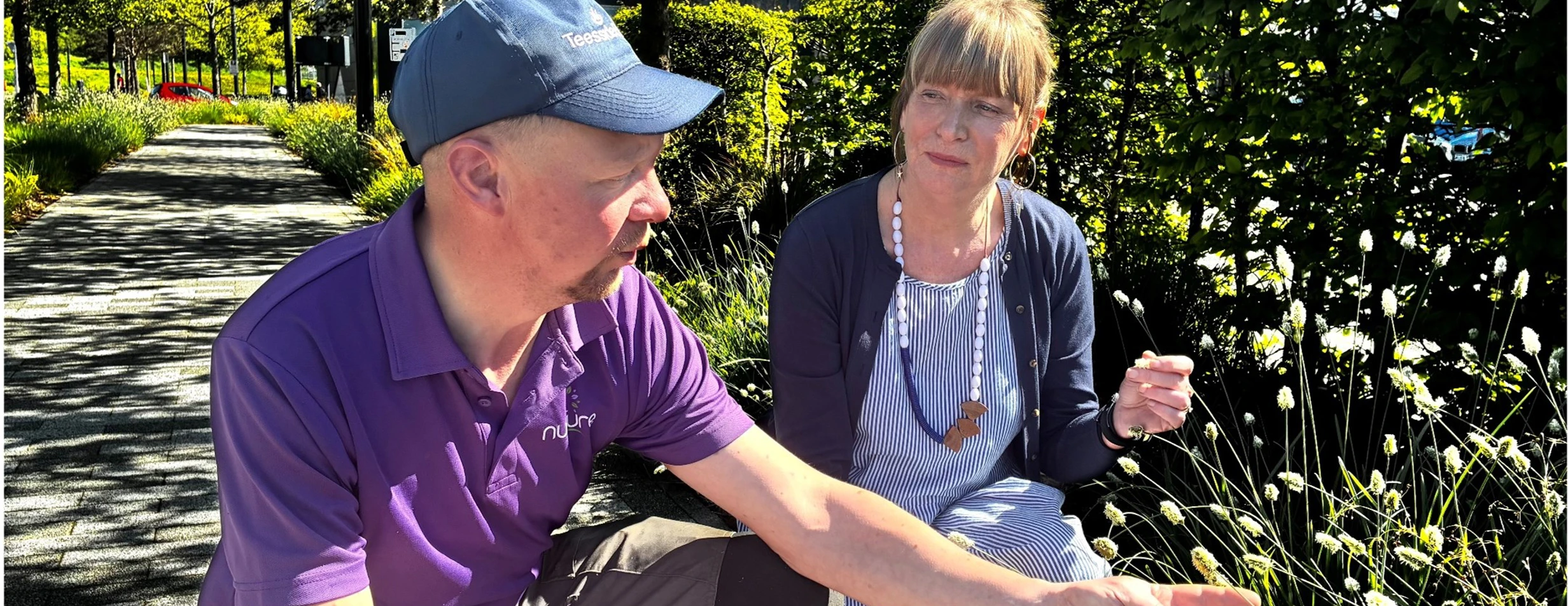
Today’s customers expect more than convenience and choice — they’re also seeking places to enjoy experiences, connect and recharge. At Teesside Park, we’ve collaborated with partners to transform an underused area into a thriving, welcoming natural space – alive with colour, wildlife and community spirit. And the cost? Nothing, aside from the time and materials donated by British Land and our local partners.
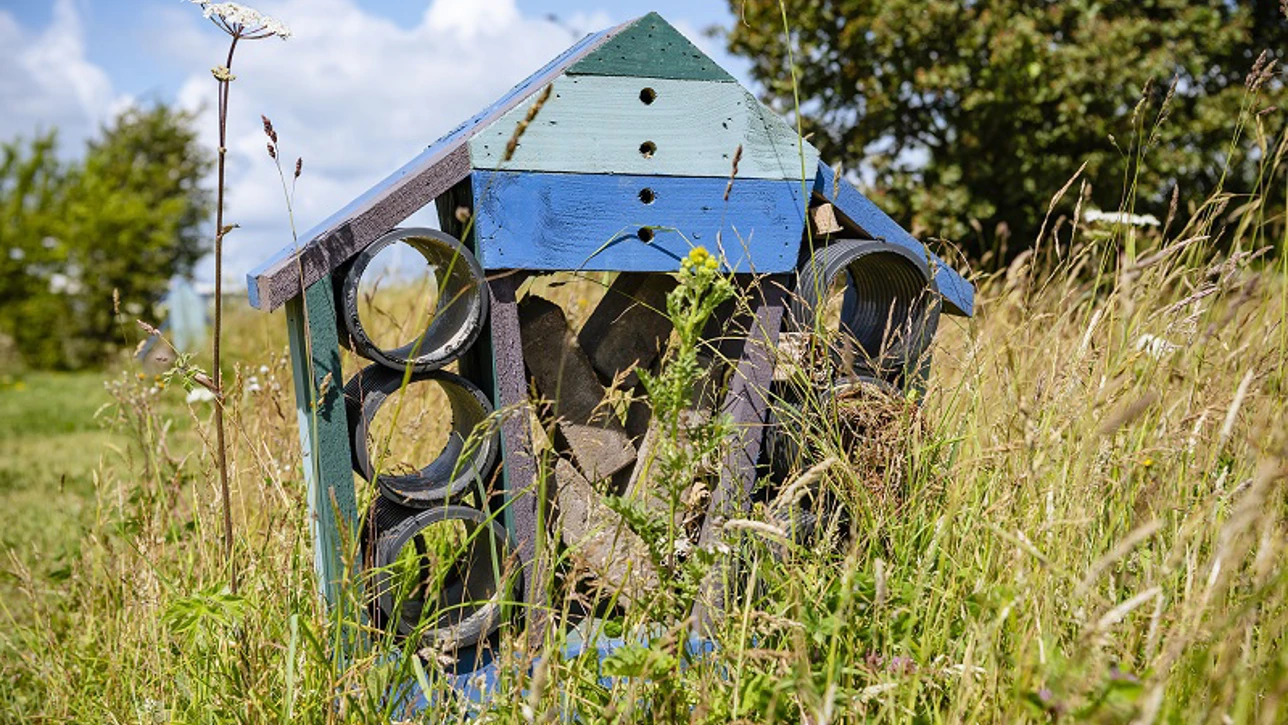
Created in partnership with Tees Valley Wildlife Trust, Linx Youth Project and Darlington Disability Society, our nature area features wildflower meadows, fruit trees, seating, bird boxes and bug hotels, along with a relaxed mowing regime and composting that both support sustainability and keep maintenance costs low.
Enhancing the park experience
Located on the leisure side by the River Tees, the nature area is now a popular extension of our offer. Visitors come to sit, eat and stroll, while staff from leisure units enjoy it on their breaks, and dog walkers make return trips. As well as enhancing the visitor experience and encouraging longer dwell times, this also supports customer health and wellbeing. Research consistently shows that access to green space is linked to improved mental and physical health.¹
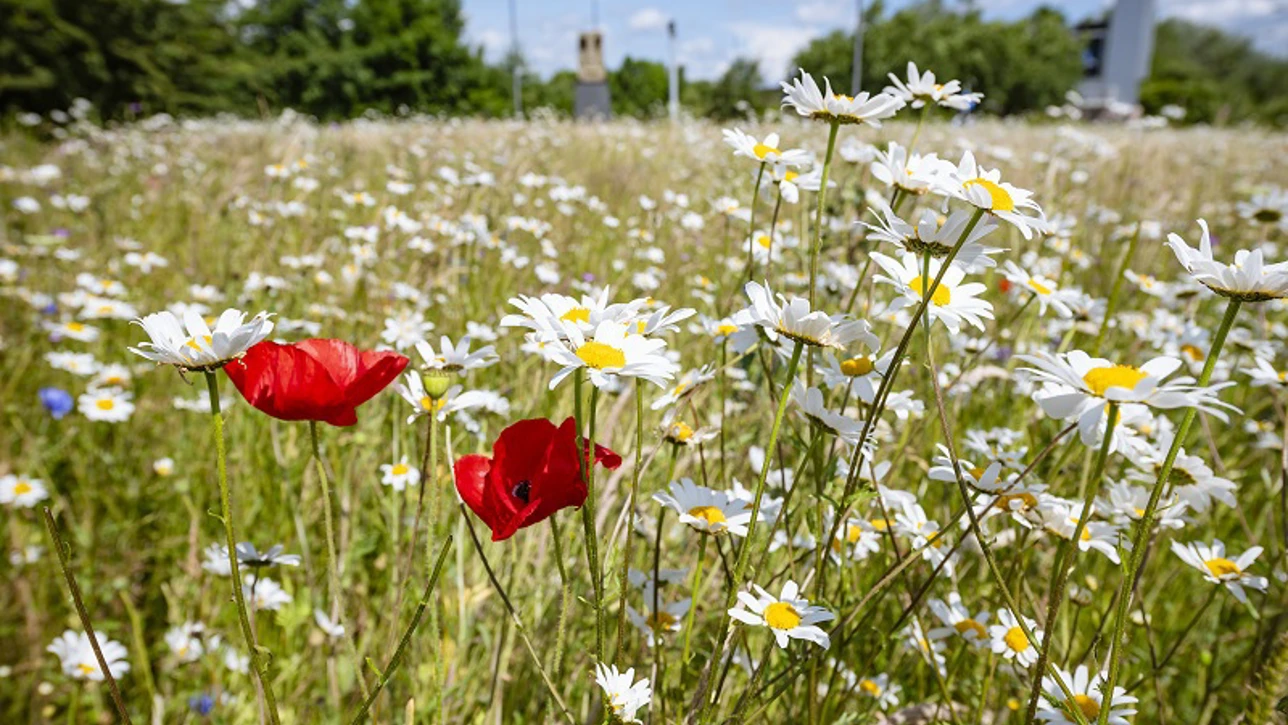
Located on the leisure side by the River Tees, the nature area is now a popular extension of our offer. Visitors come to sit, eat and stroll, while staff from leisure units enjoy it on their breaks, and dog walkers make return trips. As well as enhancing the visitor experience and encouraging longer dwell times, this also supports customer health and wellbeing. Research consistently shows that access to green space is linked to improved mental and physical health.¹
Leveraging Partnerships
All this was delivered at zero cost through strong partnerships. Tees Valley Wildlife Trust donated fruit trees, while maintenance contractor KPS provided materials, tools and time – repurposing pallets to build features such as bug hotels. Landscaping partner Nurture Group also donated 400 plants and joined us on Mother’s Day to give them to visitors, sharing advice on how to care for them and extending the project’s impact beyond our park.
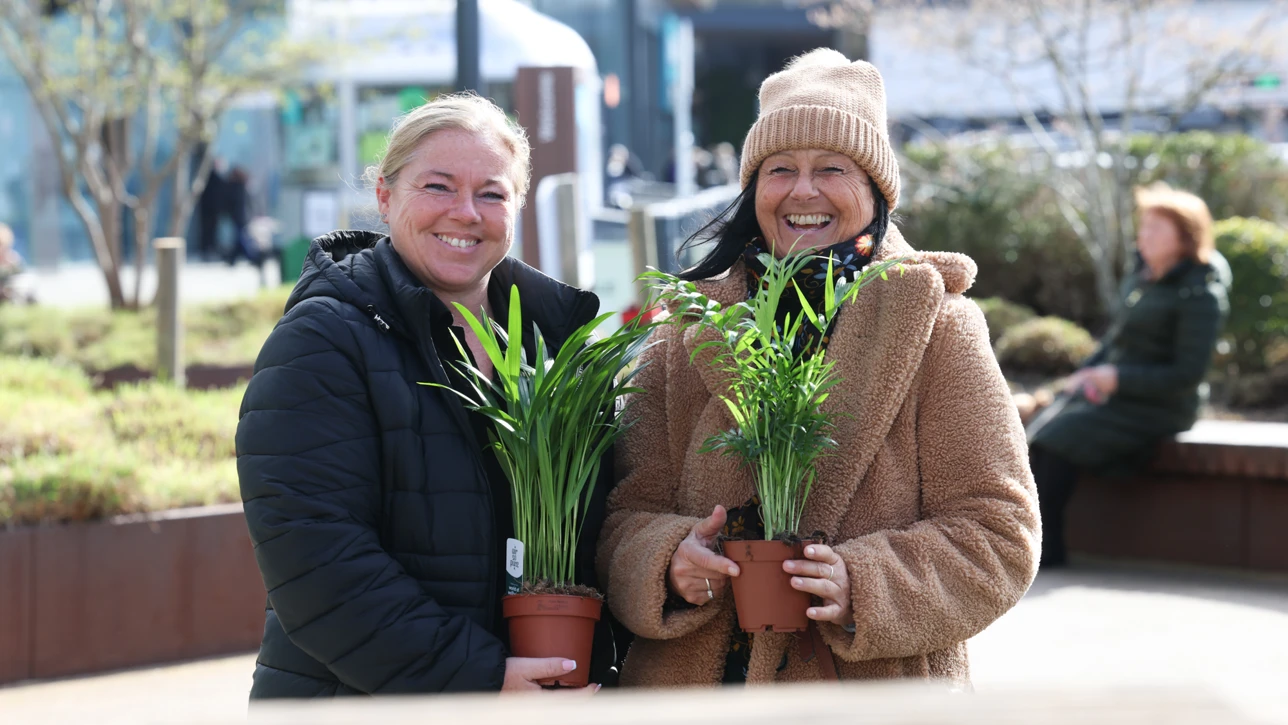
All this was delivered at zero cost through strong partnerships. Tees Valley Wildlife Trust donated fruit trees, while maintenance contractor KPS provided materials, tools and time – repurposing pallets to build features such as bug hotels. Landscaping partner Nurture Group also donated 400 plants and joined us on Mother’s Day to give them to visitors, sharing advice on how to care for them and extending the project’s impact beyond our park.
Growing Community Connections
Local people helped create the nature area in collaboration with Linx Youth Project, a group supporting children and teenagers to build skills and confidence, and Darlington Association on Disability, a charity led by disabled people to promote independence and choice. Working alongside volunteers, participants built habitats, planted trees and learned about nature. The impact was immediate: young people grew in confidence and took real pride in their work.
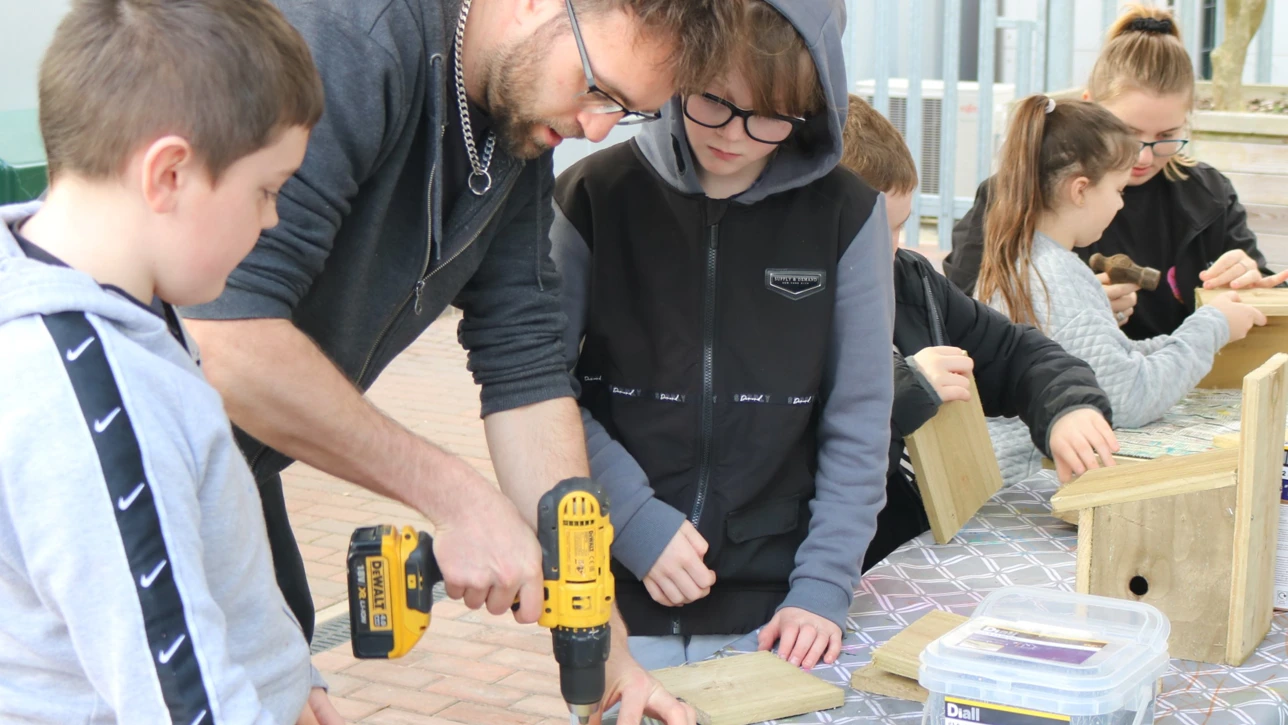
Local people helped create the nature area in collaboration with Linx Youth Project, a group supporting children and teenagers to build skills and confidence, and Darlington Association on Disability, a charity led by disabled people to promote independence and choice. Working alongside volunteers, participants built habitats, planted trees and learned about nature. The impact was immediate: young people grew in confidence and took real pride in their work.
Boosting Nature
Our actions directly support the Tees Valley Biodiversity Action Plan, providing habitats for priority bird species and invertebrates. Wildflower areas attract pollinators and insects such as ladybirds and lacewings, while birds, small mammals and amphibians benefit from improved habitats. Interpretation boards also help visitors understand what’s been planted and why, increasing engagement.
Our actions directly support the Tees Valley Biodiversity Action Plan, providing habitats for priority bird species and invertebrates. Wildflower areas attract pollinators and insects such as ladybirds and lacewings, while birds, small mammals and amphibians benefit from improved habitats. Interpretation boards also help visitors understand what’s been planted and why, increasing engagement.
Rather than simply replacing like for like, considering environmental and community impacts in everyday decisions opens so many opportunities.
When a safety assessment identified a potential risk area between children and traffic, we introduced strategically-placed planters made from recycled materials. These have improved safety and traffic flow, providing an attractive, low-cost and natural alternative to traditional bollards. Planted with pollinator-friendly species, they also support biodiversity.
Through partnership, we’re putting nature in every corner of our park – from planters outside stores to green spaces alongside the River Tees. By working collaboratively with our suppliers and community partners, we’ve delivered environmental, social and commercial value without significant capital spend. This is a scalable model for delivering nature-based improvements across retail destinations.
2026 Assessment
Explore our 2030 Sustainability Strategy
* 1 World Health Organization: Urban green spaces and health (2016); NHS Green Social Prescribing (2026).