

STREET LEVEL SOUL: HOW CURATED FOOD AND BEVERAGE DESTINATIONS BRING PLACES TO LIFE
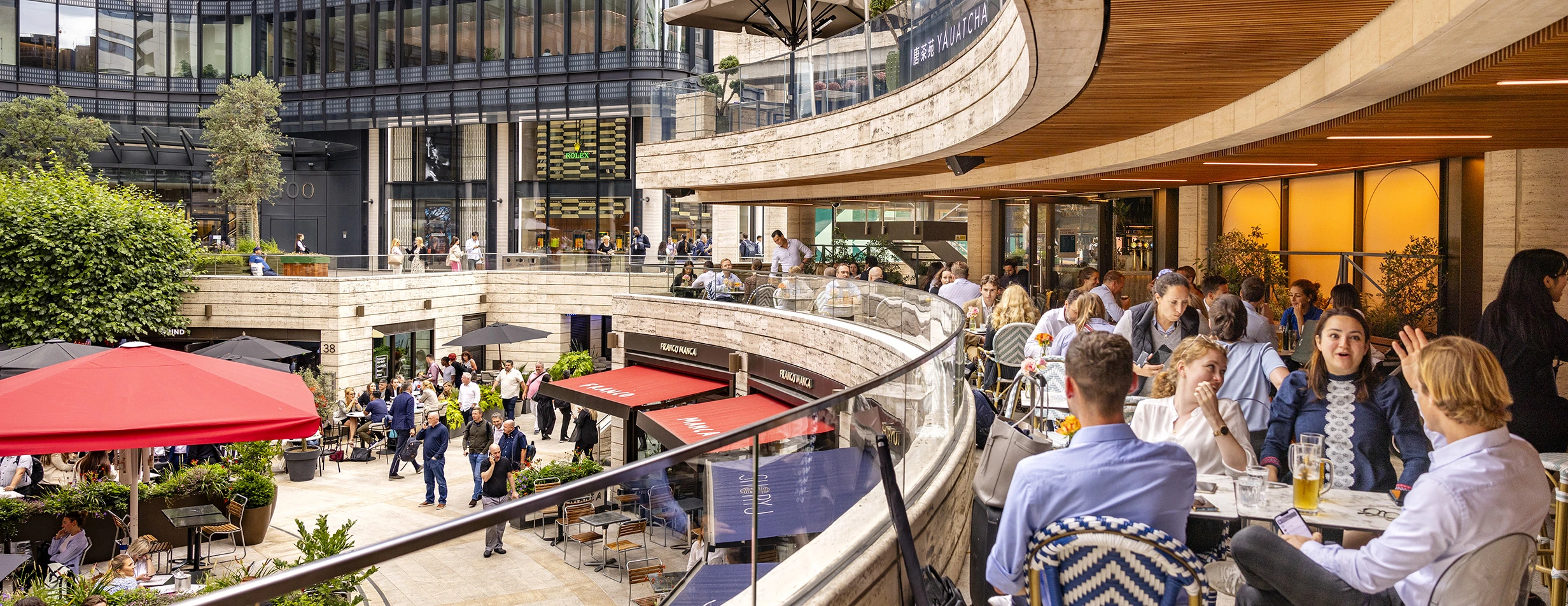
At British Land, amenity is more than just a feature, it’s the ‘heart and soul’ of placemaking, shaping how people feel, interact and spend time in a location. Alice Keown, Leasing Director – Restaurants and Leisure, offers insights on how she selects standout food and leisure partners, how thoughtful curation accelerates value creation and how we are contributing to London’s dynamic food scene.
How can a restaurant or leisure concept transform the energy of a place?
I genuinely believe food and leisure create the energy of a place. A great example is when I worked on The Circle at Broadgate, it was originally a confusing space, a golf shop in the middle, a post office in one corner, a noodle bar in another. I was an agent at the time, but I helped facilitate the technical and handover specification: we stripped it back, opened the sightlines and curated a mix of grab and go, flagship dining and lively bars, all positioned to catch the afternoon sun.
When it reopened, Broadgate came alive exactly as we’d hoped. There was an offering for everyone, and it has become a true destination.
What’s the secret to spotting a standout operator before they become the next big thing?
The key is passion and authenticity around what it is that they want to deliver to the customer.
After more than 20 years in this industry, I’ve developed a sense for who will succeed.
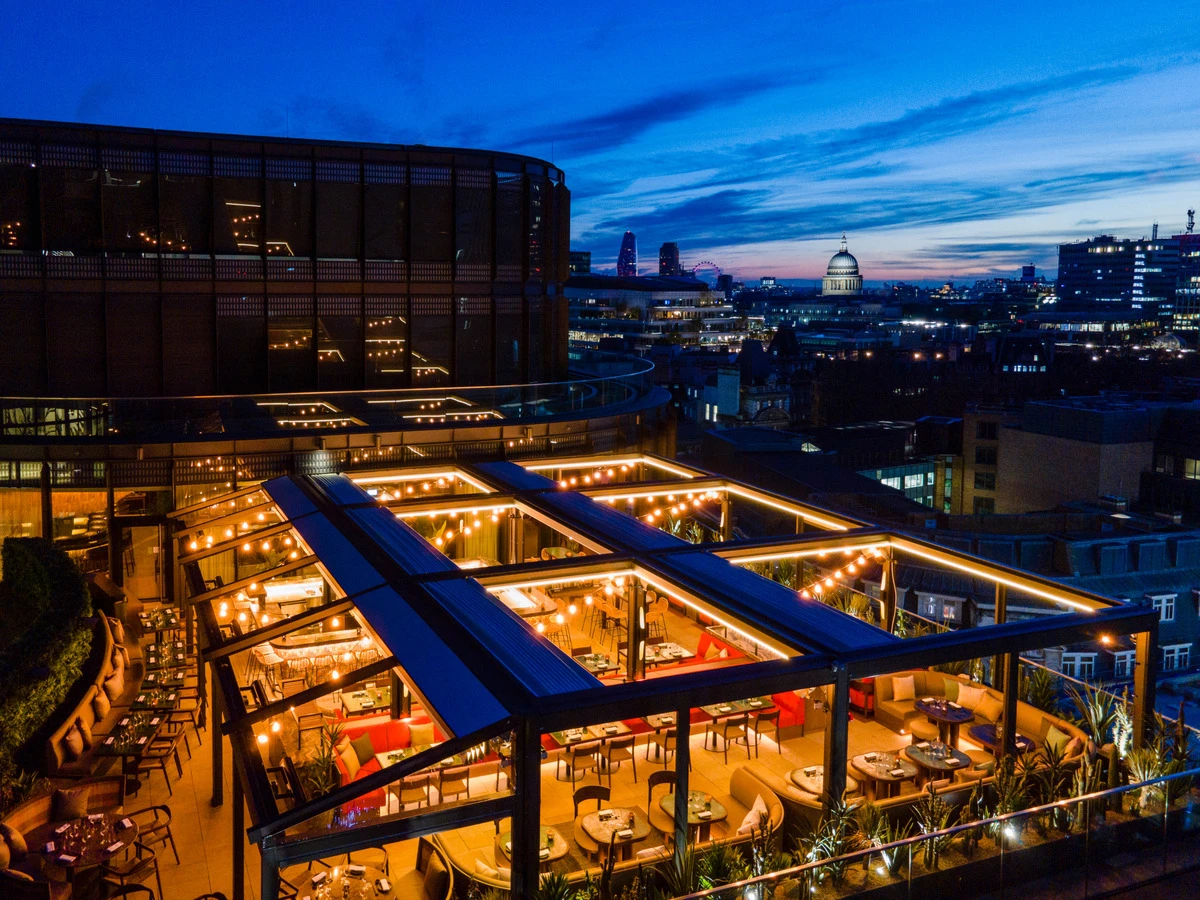
Take Los Mochis at 100 Liverpool Street as an example. We had proposals from some of the biggest names in the business, but the founder of Los Mochis stood out. He had a neighbourhood spot in Notting Hill and the food was phenomenal - everything made from scratch, health conscious and delicious. He wasn’t the chef himself, but he brought together the right talent and had a compelling vision. You know you’ve found something special when you literally can’t get a table.
Scaling that up to a flagship rooftop location was a risk, especially when I had to convince our Executive Committee and JV partner to back someone they’d never heard of over established names, but I believed in his vision and it’s paid off.
It’s the same instinct that led me to work with the founders of Dishoom before they became a household name. They cooked for us at their home, shared their story, and brought the spirit of Bombay to life in London. Now, we’re in talks with them about a new concept.
For me, it’s all about backing visionaries who live and breathe their concept, even if it means taking a risk on the unknown.
How do you balance commercial success with cultural relevance?
Balancing commercial success with cultural relevance always starts with research.
It’s about understanding who’s there, who works, lives, and visits the area. That’s fundamental to the success of any placemaking project.
Before joining British Land, when I was working as an agent on St James’s, we initially assumed our core demographic was older, perhaps 60 plus. But once we dug into the data we discovered it was actually a much younger, cosmopolitan and sophisticated crowd. That insight completely changed our approach. Every leasing decision I make to this day is with the community in mind. If I get it right for the core audience, everyone else benefits too and that’s what ensures long-term success.
What changes are happening in how people engage with these spaces?
Since Covid, there’s been a real shift in how people, especially younger generations, engage with spaces. It’s no longer just about food and drink; people are looking for experiences, wellbeing and genuine connection, with a much greater need for real life interaction.
That means my role isn’t just about opening restaurants, but about creating experiences that foster community. People want places where they can come together with friends and even make new ones. The sense of isolation many felt during the pandemic has changed the way we interact outside of digital spaces, so I need be much more intentional about how I curate these environments. Every detail matters, from the types of offers to the atmosphere, to ensure we’re building places that truly bring people together.
What makes London’s food scene iconic, and how does your work contribute?
London’s food scene is iconic because of its diversity. Immigration has been a key part of London’s fabric.
I’ve been lucky to work on projects from flagships of Regent Street to boutique Covent Garden, helping bring a tapestry of stories to life.
Over my 10 years at British Land, I think one of my proudest moments was seeing Los Mochis buzzing with energy, knowing I played a part in making that happen. Sitting on the terrace with my stepchildren, looking out at St Paul’s, I realised the real experience surpassed even our original vision.
What excites me most is working with entrepreneurial, independent businesses and helping them thrive. My approach is always about understanding what customers want, sometimes that means championing a unique independent, other times bringing in well-known brands if that’s right for the place.
If you could curate a dream street-level experience, what would it include?
I’d look to Norton Folgate as inspiration. That corner of the city beautifully connects Shoreditch, Brick Lane, Barbican and Broadgate. We approached Norton Folgate and Blossom Street as two sides of the same coin, one offering everyday amenities like Blank Street Coffee and Sainsbury’s for office workers, the other becoming a true restaurant quarter, a hidden gem where people can meander cobbled streets and make new discoveries.
We’ve brought together an exceptional line-up: Xi Home for incredible dumplings, Kolamba East for delicious Sri Lankan cuisine in a stunning setting, Angelina’s with its unique Italian Japanese fusion, and Noisy Oyster. For me, it’s about creating a destination that feels off the beaten track, full of innovation, and it’s a legacy I‘m truly proud to have helped create.
